Power with a physical starting point.
Existing turbines and electrical infrastructure ground the assessment in an operating energy site.
Our flagship · In diligence
North-west coastCoastal wind.
Global compute.
We’re developing modular AI infrastructure where the power already has a place.
Register interestCapacity under evaluation
Grid · Battery storage · Gensets
National subsea networks
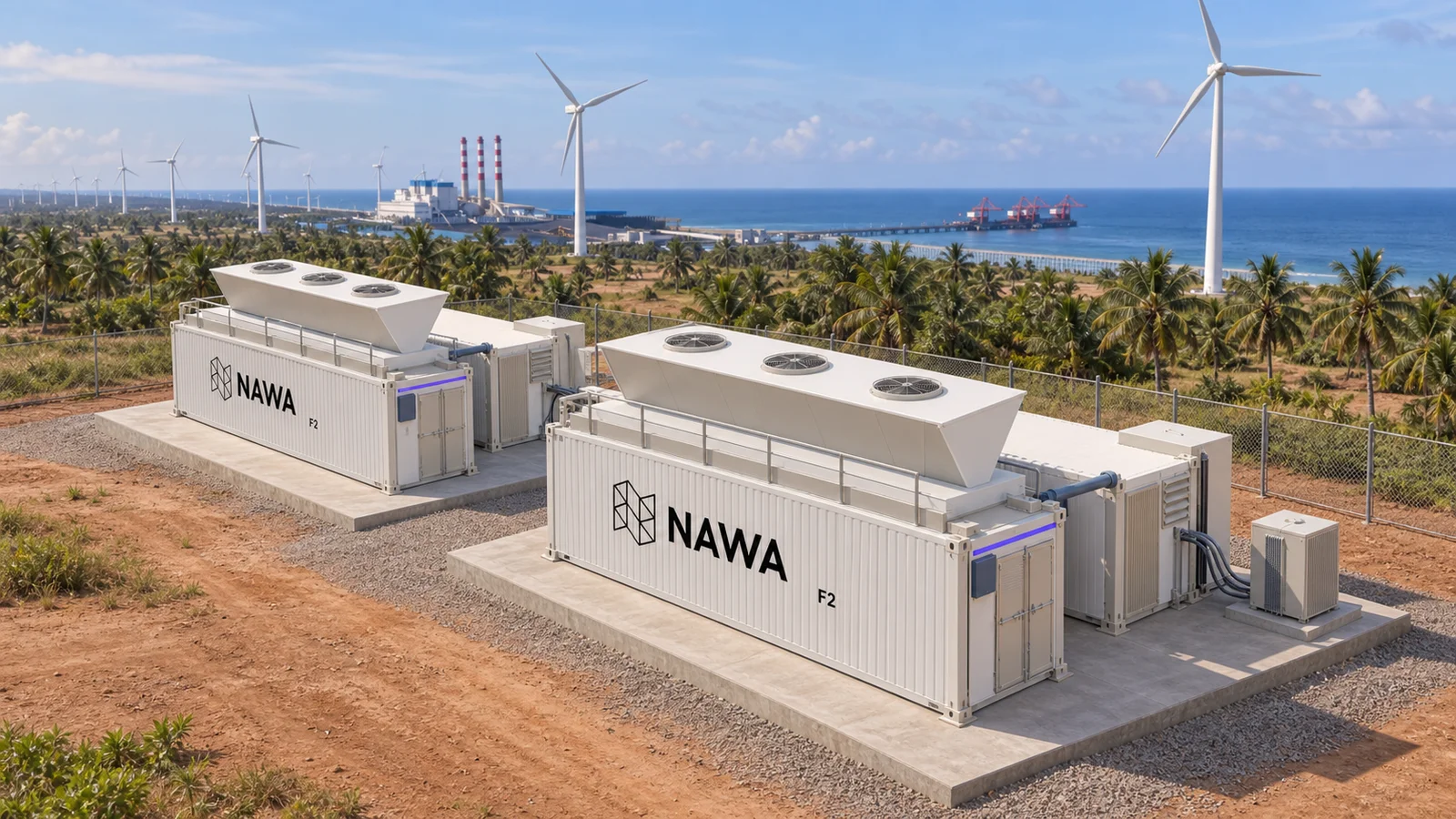
NAWA F2 deployment · Concept
The next compute site can begin at an existing source of energy. Sri Lanka brings that idea into focus.
We look for generation, usable land and a credible path to connectivity, then bring the infrastructure to the site. On the north-west coast, an established wind project gives us a tangible starting point for a phased deployment.
Existing turbines and electrical infrastructure ground the assessment in an operating energy site.
Sri Lanka’s submarine networks connect the island with India and Singapore. Site access is the next link to qualify.
Modular F2 infrastructure lets us define an initial phase, validate it and expand against available power and customer demand.
Power & resilience
A wind-led site needs an engineered path through low-wind periods and supply interruptions. Our plan brings the grid, battery storage and on-site generation into one operating strategy.
Planned power architecture Explore each layer ↘
 F2 compute
Storage and standby generation are planned investments. Final capacity, switching and redundancy are subject to detailed engineering.
The host site brings an established wind project into the assessment. Co-locating compute creates a path to use that power behind the meter, with the first phase sized around the output the site can actually deliver.
Firm compute allocation and operating conditions remain in diligence.
An existing grid export connection gives the site an electrical starting point. Our integration work assesses the import arrangement, protection and switching needed for the grid to support compute when wind output falls.
An export connection does not establish available import capacity.
We are evaluating battery energy storage to help manage wind variability and support the backup sequence. Dispatch, usable energy and degradation are being assessed against the operating profile of the first compute phase.
Planned site investment; separate from the module’s UPS.
Standby gensets are part of the resilience plan, with fuel storage, replenishment, changeover and maintenance considered together. The module UPS bridges supply transitions while the backup system responds.
Equipment sizing and transfer performance will be validated in engineering.
Sri Lanka’s wind generation is strongest through the May–September south-west monsoon. We assess the lower-output periods just as closely: hourly generation, grid availability and storage dispatch determine the load a site can responsibly support.
CEB generation plan · Source notes ↗Wind season May — September
Fiber & connectivity
Established submarine systems connect Sri Lanka to regional fiber hubs and onward global routes.
SEA-ME-WE 4 and 5, Bharat Lanka and BBG provide the national network context. For the deployment, we are working through the terrestrial connection, carrier delivery and physical path diversity that turn that geography into usable service.
Route drawings, committed bandwidth, latency and failover all need to be verified for the site.
Schematic regional links. Site fiber and route diversity remain in diligence.
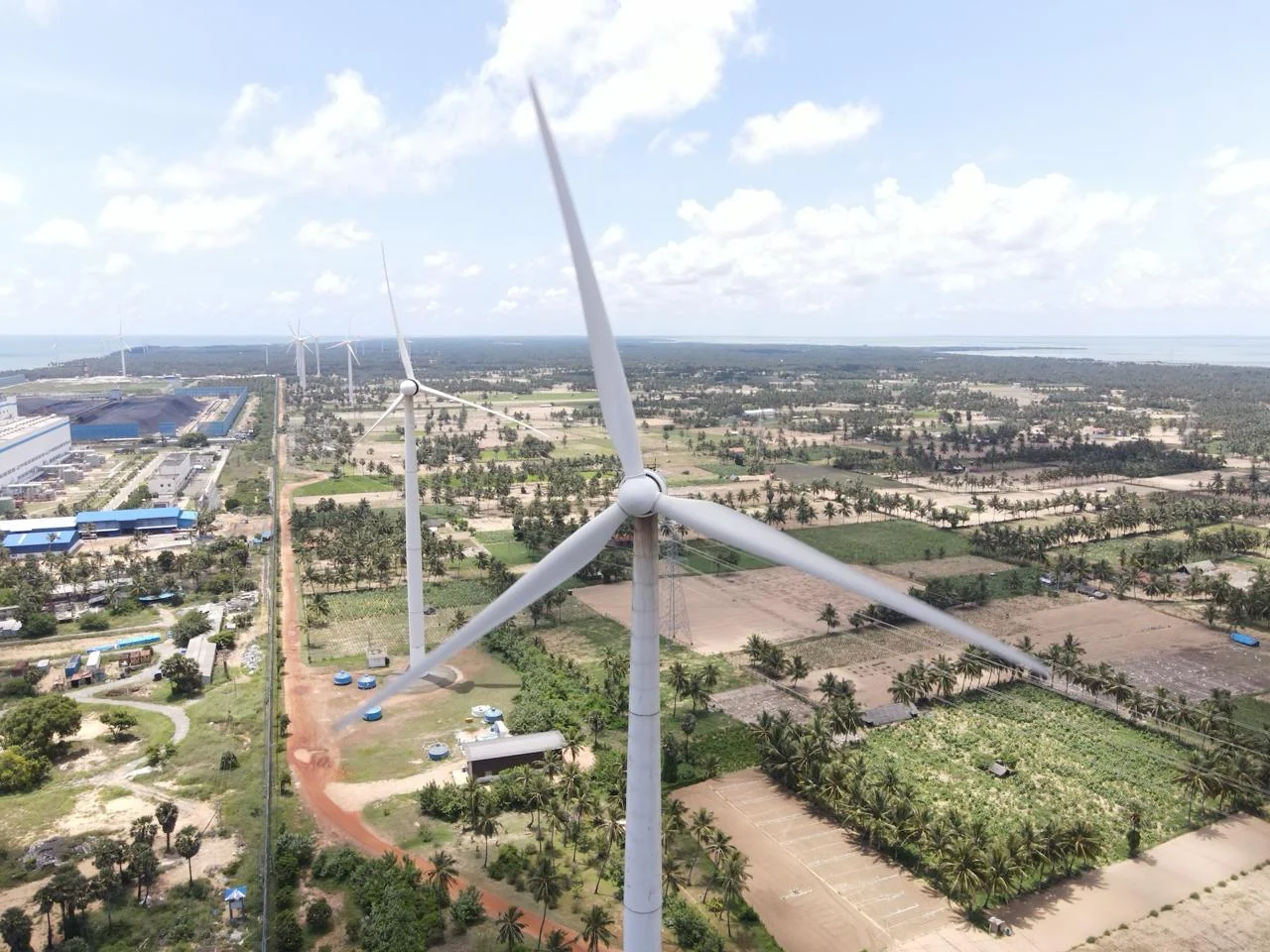
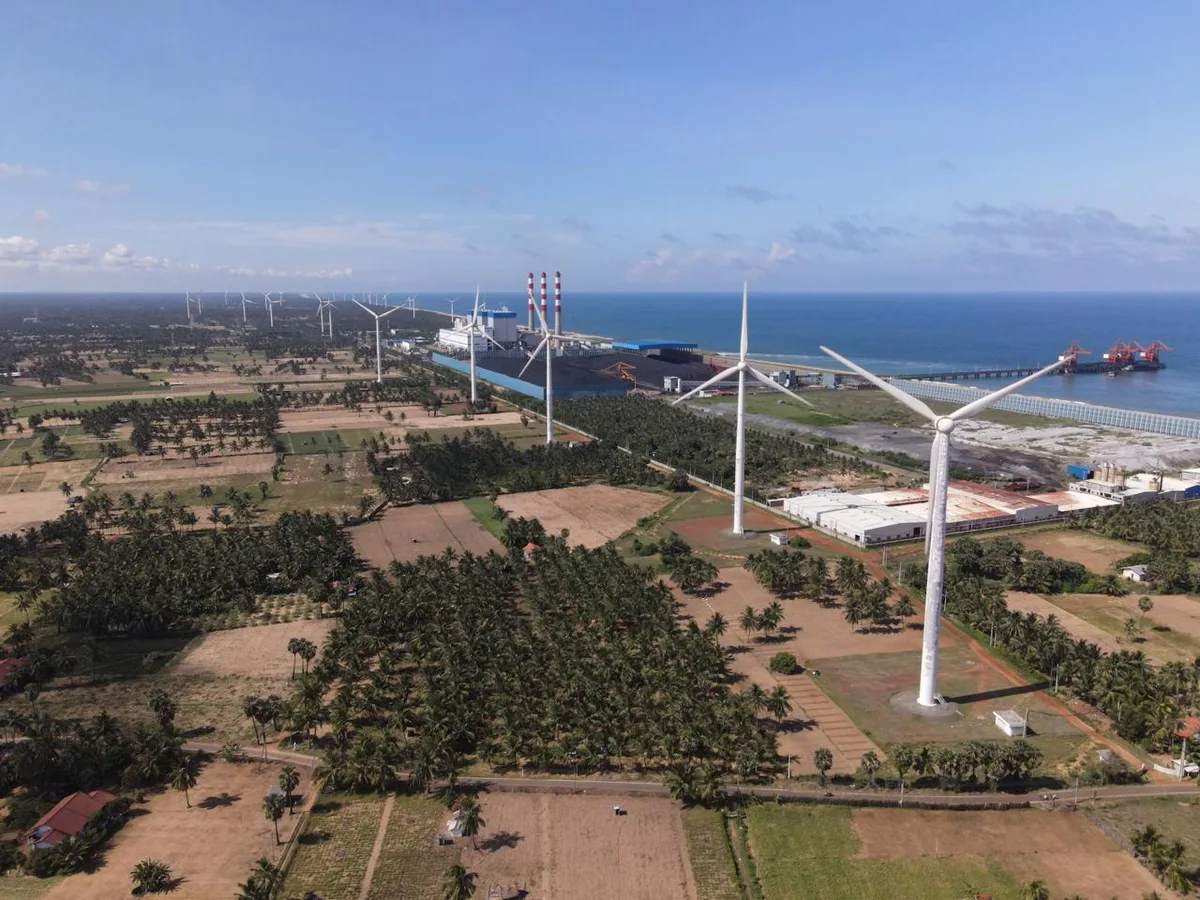
An established energy landscape.
A new use for its power.
Climate & site design
The location is part of the engineering. We design around the weather, the operating environment and the people who will maintain the installation.
Warm, humid coastal conditions make cooling selection fundamental. F2 uses direct-to-chip liquid cooling, with heat rejection and auxiliary cooling being sized and validated for local design conditions.
Drainage, equipment elevation, weather protection and access during heavy rain belong in the civil design. Flood and storm exposure are part of site diligence.
Coastal exposure shapes corrosion protection, enclosure selection and maintenance. The objective is equipment that can be inspected, serviced and kept available over time.
Local weather evidence informs the design; detailed environmental and civil studies establish the site-specific limits.
NAWA F2 · Modular infrastructure
A repeatable compute cell. A deployment shaped around the site.
F2 brings the IT module and its dedicated power module together, with liquid cooling, UPS protection and high-speed networking. We work closely with silicon partners to align rack delivery with site readiness.
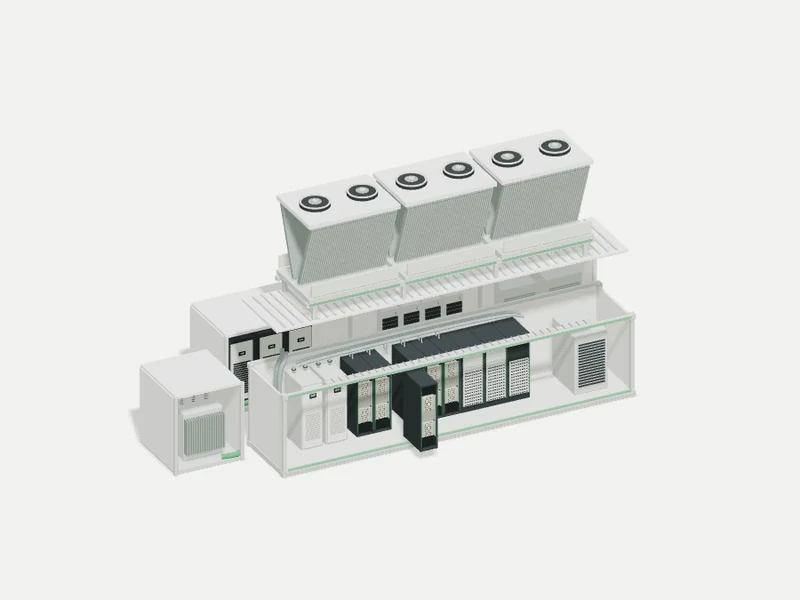
Rack density, supply and integration are being defined with our silicon partners as the Sri Lanka deployment progresses.
Platform referenceBuilding the first phase
Shape a dedicated deployment around your workload, capacity and delivery needs. Discuss the rack configuration, connectivity and service requirements for your team.
Explore participation in the site works, power integration, BESS, standby generation and modular facility that make the deployment possible.
The path to deployment
Technical and commercial diligence is under way. The first deployment scope will be set by the power study, site engineering and customer requirements.
Generation data, site control, import power, fiber routes and environmental conditions.
Storage and backup sizing, civil works, cooling, carrier delivery and commercial scope.
Integrated load tests, supply transitions, network failover and customer acceptance.
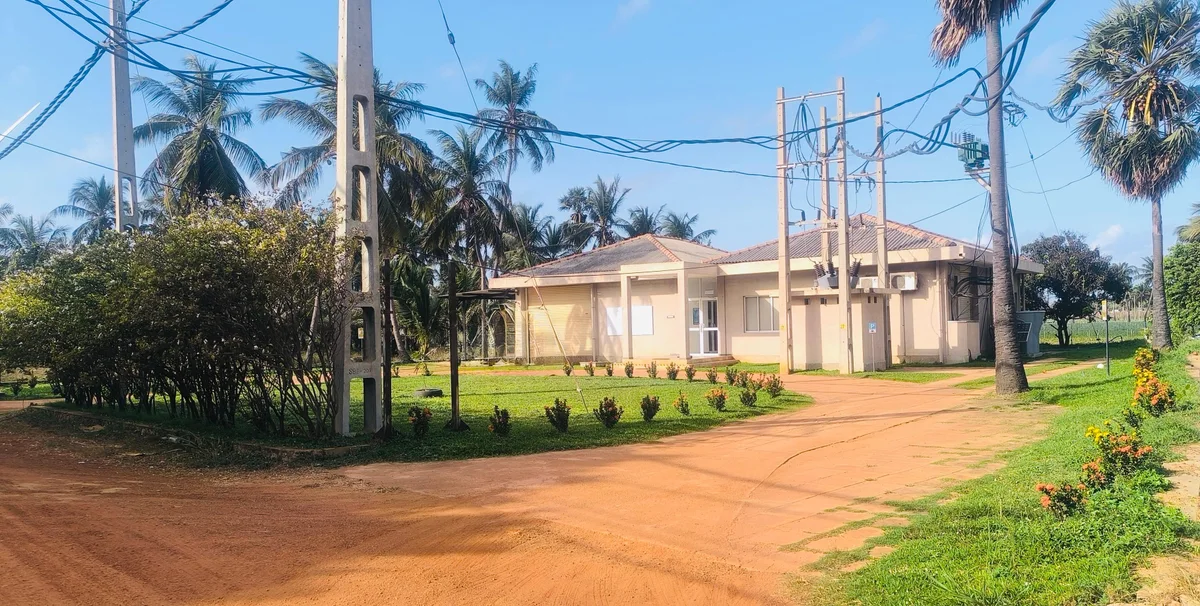
The assessment starts on the ground.
Electrical infrastructure and access on Sri Lanka’s north-west coast.Get involved · Sri Lanka
Explore compute capacity, discuss an infrastructure investment, or request access to the virtual data room.
Request the technical and commercial context behind the deployment. Our team reviews each inquiry and follows up directly about data room access.
Flagship opportunity · Technical & commercial diligence
The site narrative draws on project documentation, site photography and ongoing technical discussions. The 7 MW figure is the campus design basis under evaluation; firm supply allocation and available compute capacity will be confirmed through diligence. Storage, standby generation and site connectivity are being developed through diligence.
Regional network lines are schematic. Site photos show existing infrastructure; images labelled “Concept” illustrate the intended deployment. Service capacity and commercial terms are confirmed through project agreements.